The Romance of Vintage Lace: Identifying French Chantilly, Guipure, and Artisan Needlework in Childrenswear
Few textiles in the history of haute couture and royal ceremonial dress possess the timeless mystique of fine lace. From the christening robes of European monarchies to the delicate Sunday best bonnets of Victorian nurseries, lace has served as the poetic visual language of childhood innocence and sacred celebration. Yet in an era dominated by synthetic fast fashion and machine-stamped nylon, the delicate soul of true artisan lacework is too often overlooked.
At Hanakimi Kids, our Lace Whisper collection is an ode to this venerable textile tradition. Below, our atelier shares an insider's appreciation of historical lace varieties, how to recognise heirloom needlework, and why natural fibre lace remains essential for sensitive young skin.
1. The Aristocrats of Lace: Chantilly, Guipure, and Alençon
Understanding the distinct personalities of heritage laces helps parents appreciate the craft embedded within their child's ceremonial wear:
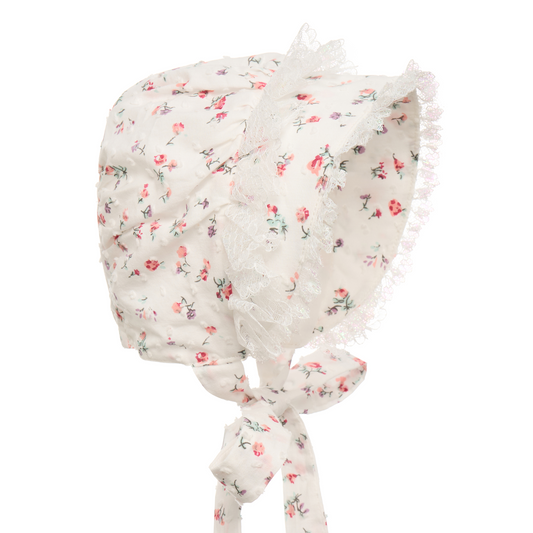
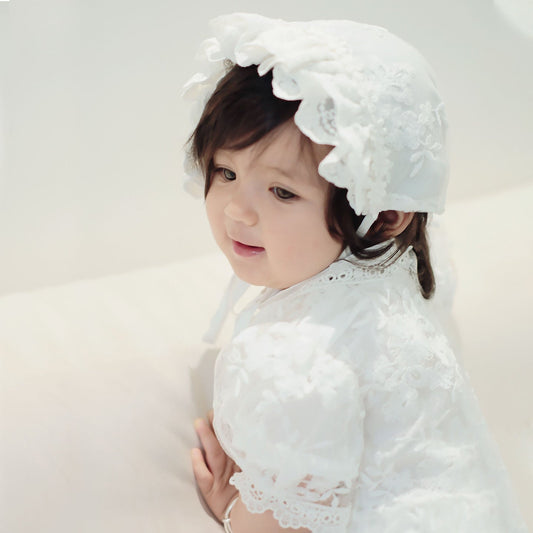
- French Chantilly Lace: Renowned for its fine net ground and delicate, shadow-like floral motifs outlined in subtle flat cord (the cordonnet). Chantilly is exceptionally soft and pliable, making it the premier choice for ethereal bonnet brims and flutter sleeves.
- Guipure (Venetian / Bobbin Lace): Unlike laces with a continuous mesh background, Guipure consists of bold, raised floral motifs connected by delicate fabric bars or plaits. Its sculptural, three-dimensional presence lends rich antique depth to christening collars and gown bodices.
- Alençon Lace: Often called the "Queen of Lace," Alençon features intricate floral patterns worked onto fine mesh, with prominent raised cord work defining every petal. It offers noble structure and captures ambient photography light with breathtaking clarity.
2. Tactile Authenticity: Natural Cotton vs. Synthetic Scratch
The difference between bespoke heirloom lace and commercial mass-market lace lies in tactile sensation:
- Cotton & Rayon Threads: True heirloom lace is woven with fine combed cotton, natural silk, or gentle plant-based viscose. These threads yield a supple, buttery drape that breathes naturally and softens with every wash.
- The Pitfalls of Synthetic Nylon: Cheap machine-stamped nylon laces have melted, heat-cut edges that feel sharp against delicate newborn skin, causing redness and itching. At Hanakimi, every piece of lace is hand-trimmed and paired with skin-friendly organic cotton linings.
3. Hand-Applied Needlework & Appliqué
What elevates a garment from clothing into an heirloom is human touch:
- Fussy-Cutting by Hand: In our atelier, artisans individually cut lace motifs along their delicate contours rather than shearing straight across patterns, preserving the complete integrity of every botanical scalloped edge.
- Delicate Seed Pearl Accents: Subtle, hand-stitched seed pearls and micro-beads nestle within the floral centers of our bonnets, adding understated sparkle that whispers rather than shouts.
4. Gentle Care for Century-Old Textiles
Fine lace should be cared for with gentle reverence:
- Lukewarm Water Bath: Submerge lace items in lukewarm water with gentle pH-neutral soap. Gently press the soapy water through the fabric without wringing, rubbing, or pulling.
- Drying Flat on Linen: Roll the piece in a dry terry cloth towel to absorb excess moisture, then reshape the scalloped edges with your fingertips and lay flat to dry in gentle ambient air.
An Enduring Thread Across Generations
When you hold a Hanakimi lace bonnet or christening gown, you are holding the culmination of centuries of European and atelier craft. Preserved in your family keepsake box, its delicate threads will carry the sweet memories of your child's earliest milestones into the hands of generations yet to come.
Tags: