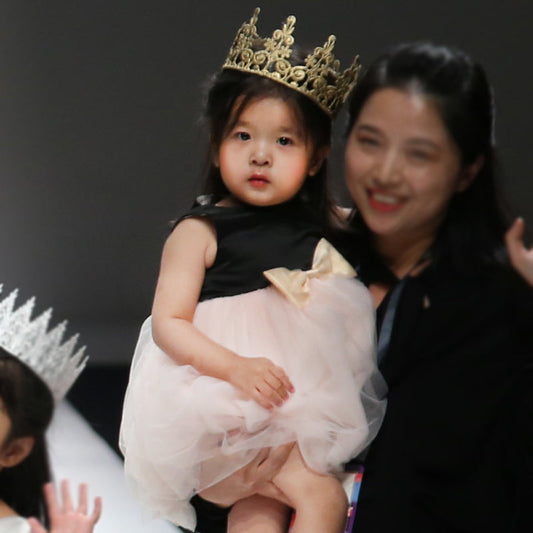
Christening Gowns Explained: A Guide to Your Baby's First Sacred Dress.
A christening is a special welcome into the Christian faith, often happening soon after birth. When the priest pours holy water, families celebrate purity, grace, and new beginnings. Choosing a christening gown or baptism gown makes that promise tangible.

Today, baby christening outfits mix faith, comfort, and classic style. White and ivory follow tradition, while soft fabrics like cotton, silk, or linen keep babies calm. Parents often wonder how to pick a gown that honors baptism traditions and is also comfortable.
This sacred dress is both attire and a keepsake. Modern designs range from long gowns to shorter styles and rompers. Features like gentle linings, flexible closures, and breathable weaves help babies relax during the ceremony.
Many families dream of passing the gown down. So, it's important to care for it from the start. After the service, clean it safely and store it with acid-free materials to keep its beauty for future generations. A well-chosen christening gown connects families across time.
The sacred meaning and history of the christening gown
A christening gown is more than just fabric. It connects baby baptism history with family stories and faith. Families pick a white and ivory dress for its quiet elegance and deep meaning. They keep it safe for the next child.

From early swaddling bands to heirloom christening gown traditions
In the early centuries, babies wore simple swaddling bands with small symbols. As baptism changed, so did the designs. The vintage christening gown was born, crafted with love and devotion.
By the 18th century, satin, lace, and fine details became common. Families started saving these gowns. They turned each one into a treasured family heirloom, passed down through generations.
Why white and ivory symbolize purity, innocence, and new beginnings
White and ivory represent a fresh start, symbolizing innocence and grace. A christening dress in these colors reflects the light of baptismal promises. It reminds us of renewal and sacred robes.
How gown length evolved with baptism traditions and sacred ceremony rites
Length was once both practical and ritualistic. Long gowns framed the child and fit church rites. Shorter styles allowed for easier movement. Today, families choose based on setting and season.
Timeless baby fashion and family heirloom clothing passed through generations
A vintage christening gown connects relatives across time. When a new baby wears it, it becomes a living piece of history. It's a symbol of love and tradition, keeping faith and memories alive.
Types, fabrics, and craftsmanship: choosing a christening dress that lasts
A lasting christening dress is both beautiful and size and comfort friendly. It should have a design that balances elegance with ease of wear. Features like gentle finishes, smart closures, and breathability ensure a peaceful day for everyone.

Classic long gowns, lace and Broderie Anglaise, shorter dresses and rompers
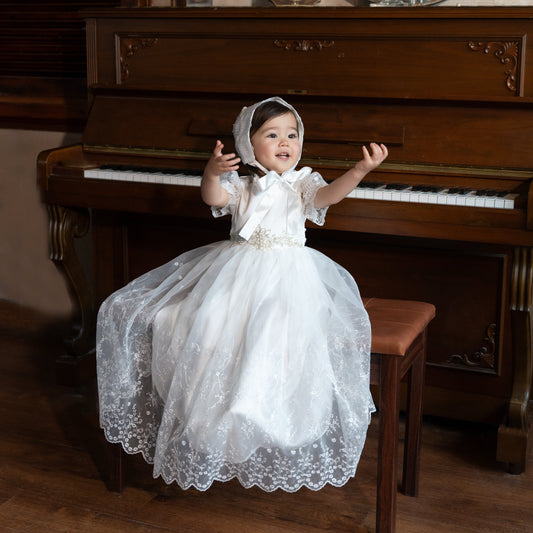
A classic long baptism gown is elegant and gentle. It flows beautifully, perfect for photos. Materials like fine cotton, silk, or satin add to its charm, often adorned with lace embroidery.
For warmer days or active babies, consider shorter styles and rompers. They offer a neat look while allowing for movement. Plus, they make quick changes during the ceremony.
Gender-neutral options and personalized, handmade baby gown details
Simple, white or ivory gowns are elegant and suitable for all. A handmade baby gown allows for special touches that add meaning. These can include monograms, names, or baptism dates.
- Monograms or full names stitched with care
- Baptism dates placed at the hem or inside lining
- Subtle crosses or nature motifs worked in tone-on-tone thread
Opt for trims that are gentle on baby's skin. Thoughtful placement turns these details into beautiful, wearable art.
Soft fabric essentials: cotton, silk, linen, breathable blends, and lace embroidery
Begin with soft fabric to soothe baby. Cotton is great for sensitive skin, while silk keeps temperatures balanced. Linen is perfect for summer, feeling light and cool.
Blends of cotton or silk offer durability and drape. For those who love detail, look for lace embroidery that's smooth to the touch.
British craftsmanship influences and luxury christening dress finishes
British craftsmanship values clean lines, hand-finished seams, and secure fastenings. These features ensure a luxury christening dress lasts through celebrations and storage.
Seek out lined bodices, reinforced seams, and neat hems. These qualities protect the fabric, maintain the dress's shape, and ensure size and comfort for your growing baby.
Baby christening outfit, Baby’s first ceremony clothing
Your baby's first ceremony outfit should be both sacred and simple. A well-chosen christening outfit honors tradition while keeping your little one calm and comfortable. This guide helps you find the perfect balance of reverence, ease, and symbolism for a memorable day.
Ceremonial attire by season: warm-weather linen and cotton vs. winter satin and blends
In summer, opt for linen or soft cotton to keep your baby cool. These materials are light and prevent fussiness. Short sleeves are also a good choice.
In winter, choose satin, brocade, or cozy cotton blends for warmth. Add a fine knit underneath for a polished look without bulk.
How to choose christening gown for church, outdoor, or casual baptism traditions
For a formal church service, a long gown is fitting. Look for gentle lining and easy snaps for changes.
For outdoor or casual rites, a shorter dress or romper is better. It's snag-free and easy to travel with. Make sure it fits well and allows for swaddling and cuddles.
Accessories that elevate: bonnet or headband, booties, shawls, tights, and keepsakes
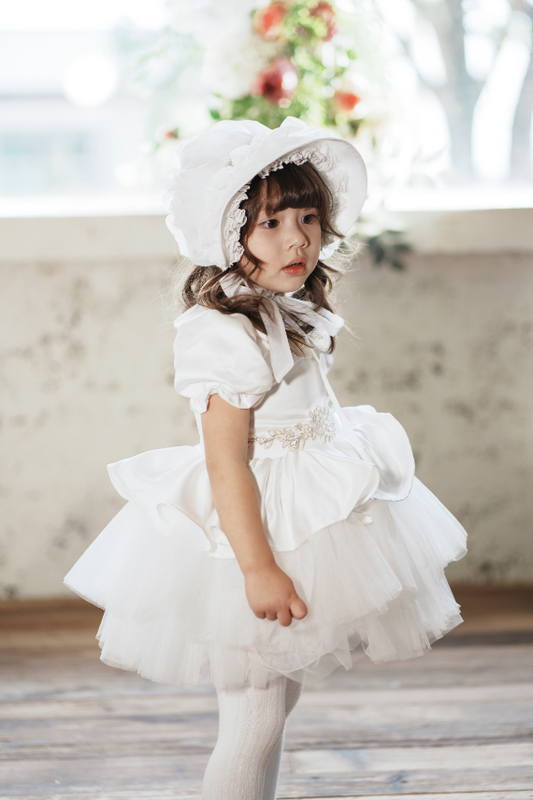
- A lace bonnet or soft headband frames the face and stays secure during blessings.
- Choose booties by season: knit or fleece for cold days; cotton or silk for warm weather. Add tights or leggings for a neat, warm finish.
- A light shawl or blanket offers warmth during quiet moments without hiding the gown. Use a bib or lace pinafore to protect delicate fabric during the service.
- Consider keepsakes that become a family keepsake: embroidered blankets, custom booties, and a printed photobook to mark the date.
Symbolic meaning in details: embroidery, initials, dates, and meaningful motifs
Understated embroidery, initials, and dates carry symbolic meaning without overpowering the look. Crosses, olive branches, or doves feel timeless and serene.
Keep the palette refined and the trim minimal so every detail reads with purpose. This approach lets the baby christening outfit shine while honoring tradition through subtle, personal touches guided by this baptism outfit guide.
Preserving a family heirloom: care, storage, and memory-keeping
Every stitch tells a story. Taking good care of an heirloom christening gown keeps it special. It becomes a treasured family keepsake. With the right steps, you can keep its beauty for future ceremonies.
Cleaning by fabric type and gentle prep before storage
Start with the fabric label and details. Silk and satin usually need professional cleaning. Cotton and linen might accept wet cleaning. This way, you avoid stains and keep the dress looking great.
Before storing, gently brush off dust. Make sure buttons and snaps are closed. Support lace and seams. Stuff sleeves and bodices with acid-free tissue to keep the shape.
Acid-free materials, non-airtight boxes, and cool, dark environments
Use acid-free storage in a non-airtight box. This lets the fabric breathe. Line the box and layer the garment with acid-free tissue. Add padding where needed. Store it in a cool, dark, and dry place.
These steps protect the dress from dust, pests, and moisture. They keep it ready for future photos and celebrations.
Why to avoid plastic and direct sunlight to prevent yellowing
Stay away from plastic bags and airtight bins. They can cause mildew or damage. Direct sunlight and bright light also make the dress yellow and weaken it.
Keep it away from windows, attics, and basements. This simple rule helps preserve the dress for years to come.
Annual inspections, careful handling with gloves, and safe steaming
Check the dress once a year. Refresh tissue, adjust folds, and look for any problems. Handle it with clean cotton gloves to protect the fabric.
Before wearing or displaying, let it air for a few days. Then, use safe steaming to smooth out wrinkles. Avoid pressing if you can. If needed, iron on low and carefully. Professional preservation kits can offer extra protection for your cherished keepsake.
Where style meets sentiment: Hanakimi Kids christening collection inspiration
The Hanakimi Kids vision brings the past into the present with grace. Each sacred dress nods to swaddling origins and heirloom-length gowns. Yet, it feels light and modern for a baby’s first ceremony. Soft cotton, natural silk, and breathable linen pair with meticulous lace embroidery.
This balance of comfort and meaning defines timeless baby fashion. It honors ritual while keeping little ones at ease.
The hanakimi kids christening collection offers silhouettes for every setting. Choose a long, heirloom-inspired luxury christening dress for a formal church service. Pick shorter dresses or a romper for an outdoor or casual baptism.
Gender-neutral designs in white and ivory reflect purity, innocence, and new beginnings. Personalization—hand-embroidered initials, names, and dates—turns each handmade baby gown into a keepsake with heart.
Seasonal guidance helps parents dress with confidence. Warm days call for airy linen and cotton; winter moments shine in satin and thoughtful blends. Curated accessories—bonnets, soft shoes, shawls, and understated headbands—complete the look without overshadowing the ceremony.
Flexible closures, smooth linings, and careful seams keep comfort front and center.
Rooted in british craftsmanship and refined finishes, the hanakimi kids christening collection pairs style with devotion. Follow simple care steps—clean by fabric type, store with acid-free materials, and inspect yearly—to preserve each piece. With mindful design and lasting quality, a handmade baby gown becomes part of your family story, ready to be treasured and passed down.
FAQ
What makes a christening gown a sacred dress for a baby’s first ceremony?
A christening gown is worn during baptism. It's when holy water blesses the child, symbolizing purity and new beginnings. It marks the child's entry into the Christian faith and often becomes a family keepsake.
How did christening gowns evolve from early swaddling bands to heirloom traditions?
Early swaddling bands, sometimes with lamb motifs, gave way to simpler garments. This change happened when baptism shifted from immersion to sprinkling in the 17th century. By the 18th and Victorian eras, satin and lace embroidery flourished, creating heirloom christening gown traditions.
Why are white and ivory the most common colors for a christening dress?
White and ivory symbolize purity, innocence, and a fresh spiritual start. Their luminous tones echo baptismal iconography and the flowing robes associated with grace, making them timeless choices for ceremonial attire.
How did gown length change with baptism traditions and church rites?
As practices moved from immersion to pouring, gowns became lighter and longer. Short lengths (about 26–30 inches) suit warm weather, standard lengths (30–36 inches) balance tradition, and heirloom lengths (36–40+ inches) honor formal sacred ceremony rites.
Why are christening gowns treasured as family heirloom clothing?
These garments carry a family’s faith story. Preserved as a family keepsake, each baptism gown connects generations through shared ritual, timeless baby fashion, and symbolic meaning.
What types of baby christening outfits are available today?
Choices include classic long christening gowns, Lace and Broderie Anglaise styles, shorter christening dresses, and romper-style baptism outfits for ease. Gender-neutral designs in white and ivory remain popular.
What personalized details elevate a handmade baby gown?
Hand-embroidered initials, full names, baptism dates, and faith motifs transform a vintage christening gown silhouette into a custom family heirloom. Subtle placement keeps the look refined and sacred.
Which soft fabrics feel best for babies and photograph beautifully?
Cotton is breathable and gentle. Silk regulates temperature and drapes elegantly. Linen offers cool airflow. Cotton or silk blends add durability. Fine lace embroidery and thoughtful linings enhance comfort and finish.
How does British craftsmanship influence a luxury christening dress?
British craftsmanship favors meticulous seaming, hand-finished lace insets, and balanced structure. The result is an heirloom christening gown with lasting shape, soft fabric comfort, and refined detailing.
What should my baby wear for a summer vs. winter baptism?
For warm weather, choose linen or cotton with breathable blends and a shorter dress or romper. For winter, select satin, brocade, or cotton blends with a shawl or blanket for warmth.
How do I choose a christening gown for church, outdoor, or casual services?
For formal church rites, a long heirloom-length gown sets a reverent tone. Outdoor or casual baptisms suit shorter gowns or rompers. Consider season, fabric, and comfort to match the sacred ceremony setting.
Which accessories complete a baby christening outfit?
A lace bonnet or soft headband frames the face. Booties or soft shoes match the season. Add a shawl for warmth and a bib or lace pinafore to protect the gown. Keepsakes like embroidered blankets add meaning.
How can symbolic details add meaning without overdoing it?
Choose one or two elements—initials, the date, or a discreet cross or lamb. Keep embroidery fine and placement subtle, preserving harmony in the ceremonial attire.
How should I clean a christening gown before storage?
Clean by fabric type—professional dry cleaning for silk and structured satin, gentle hand-washing for many cottons. Remove surface dust, fasten closures, and support delicate lace embroidery before storing.
What is the best way to store a baptism gown as a family keepsake?
Use acid-free tissue to pad sleeves and bodice, then place the gown in a non-airtight, acid-free box. Store in a cool, dark, dry environment with stable temperature and humidity.
Why avoid plastic bags and direct sunlight when preserving heirloom clothing?
Plastic traps moisture, causing mold, mildew, and fiber damage. Sunlight accelerates yellowing and weakens fabrics. Acid-free materials and shade keep the gown pristine.
How often should I inspect the gown, and how do I remove wrinkles safely?
Inspect annually to refresh tissue and check for issues. Handle with clean cotton gloves. Air the gown for a few days before use, and use gentle steaming. Iron only on low, if absolutely necessary.
What makes Hanakimi Kids a trusted source for a baby christening outfit?
Hanakimi Kids blends tradition and comfort with soft fabrics, meticulous lace embroidery, and flexible closures for size and comfort. The hanakimi kids christening collection offers long gowns, shorter dresses, rompers, and gender-neutral options with elegant personalization.
Can Hanakimi Kids help me choose the right size and fit?
Yes. Use the brand’s size charts and consider a slightly roomier fit for growth. Look for ties, elastic necklines, buttons, or snaps to ensure ease of movement and all-day comfort.
Do Hanakimi Kids pieces work as family heirloom clothing?
Absolutely. With quality materials, British craftsmanship influences, and thoughtful finishes, each luxury christening dress is designed to be cherished, preserved, and passed down across generations.
Tags:
Related articles
One Dress, Three Interpretations
Aug 10 2026
Why Baby Bonnets Are More Than a Hat?
Jul 13 2026
What Is a Christening Gown?
Jul 08 2026

The world about HANAKIMI
Jun 09 2026